
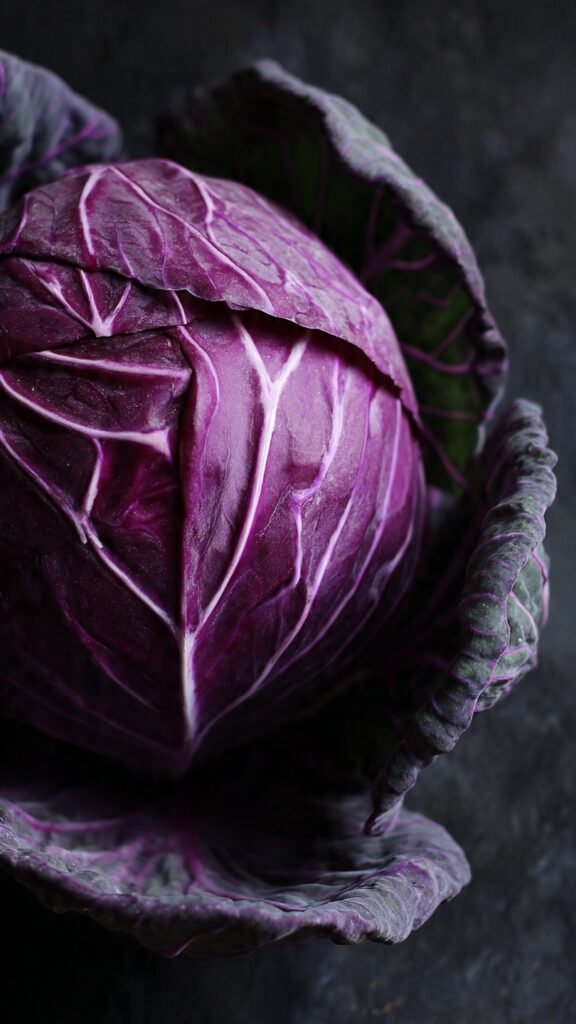

Cabbage is a low‑calorie, nutrient‑dense vegetable that delivers vitamins, antioxidants, and fiber. Regular consumption supports gut health, heart function, immune defense, weight management, and inflammation control. Both red and green varieties are affordable and versatile, offering distinct nutrient profiles.
Disclaimer; “This information is for educational purposes only and is not a substitute for professional medical advice, diagnosis, or treatment. Consult a qualified healthcare provider before making any dietary changes.”
1. Nutrient Boost
Cabbage belongs to the cruciferous family (broccoli, cauliflower, Brussels sprouts). It is rich in:
- Vitamin C – boosts immunity, collagen production, wound healing, and iron absorption; helps fight oxidative stress.
- Vitamin K – essential for blood clotting, bone health, and arterial flexibility (over 50 % of the daily value per cup).
Note: If you take blood thinners, monitor intake; thyroid conditions may require consultation with a healthcare professional.
Cabbage Nutrition (per 100 g / 3.5 oz)
| Nutrient | Green Cabbage | Red Cabbage | % Daily Value (DV) |
| Calories | 25 kcal | 31 kcal | – |
| Carbohydrates | 5.8 g | 7.4 g | 2‑3 % |
| Fiber | 2.5 g | 2.1 g | 8‑9 % |
| Protein | 1.3 g | 1.4 g | 3 % |
| Vitamin C | 36.6 mg | 57 mg | 41 % / 63 % |
| Vitamin K | 76 mcg | 38 mcg | 63 % / 32 % |
| Vitamin A | 98 IU | 1,120 IU | 2 % / 22 % |
| Vitamin B6 | 0.12 mg | 0.21 mg | 7 % / 12 % |
2. Antioxidant Power
Polyphenols and flavonoids neutralize free radicals, supporting cellular health and reducing inflammation linked to chronic diseases (arthritis, diabetes, dementia, etc.).
3. Weight Management
High fiber (≈10 % DV per 100 g) creates satiety, helping you stay fuller longer while keeping calories low.
4. Cholesterol Support
Plant sterols in cabbage hinder cholesterol absorption, potentially lowering LDL (“bad”) cholesterol.
5. Gut Health
Fiber nourishes beneficial gut bacteria, enhancing regularity and microbiome diversity. Phytosterols help maintain a healthy gut barrier and may lower colon‑cancer risk.
6. Heart Health
Red cabbage’s anthocyanins support cardiovascular health. Vitamin B6 and folate regulate homocysteine, aiding red‑blood‑cell production.
7. Blood‑Pressure Balance
Potassium counters sodium, promoting healthy blood pressure. Potassium‑rich diets (e.g., DASH) are associated with reduced hypertension and stroke risk.
8. Anti‑Inflammatory Effects
Sulforaphane and kaempferol reduce inflammation, which may lower risk of heart disease and arthritis.
9. Type‑2 Diabetes Prevention
Fiber, sterols, and glucosinolates improve insulin sensitivity and help stabilize blood sugar.
10. Cancer‑Protective Properties
When chopped or cooked, glucosinolates break down into indoles and isothiocyanates, compounds studied for their potential to reduce cancer risk (lab/animal studies). Human research is ongoing.
Easy Ways to Add Cabbage

- Raw: Shred into slaws, salads, or grain bowls for crunch and extra vitamins.
- Cooked: Toss into soups, stir‑fries, casseroles, or steam lightly to preserve nutrients.
- Fermented: Make sauerkraut or kimchi for added probiotic benefits.
Tip: To minimize strong odor, cook briefly, add a splash of lemon juice or vinegar, or sauté with a teaspoon of oil.
Cabbage’s versatility and year‑round availability make it a budget‑friendly, nutrient‑packed staple for everyday meals.
By; Cheri Ben
#NGO health tips #Zambia
#RBN